Monday–Friday, 8:00 AM–5:00 PM Baltimore, Maryland

Our Services

Home care support, matched to the person

Every service below is delivered in the home or community, planned around the individual, and adjusted as circumstances change. If you are not sure which one fits, call us and we will help you work it out.

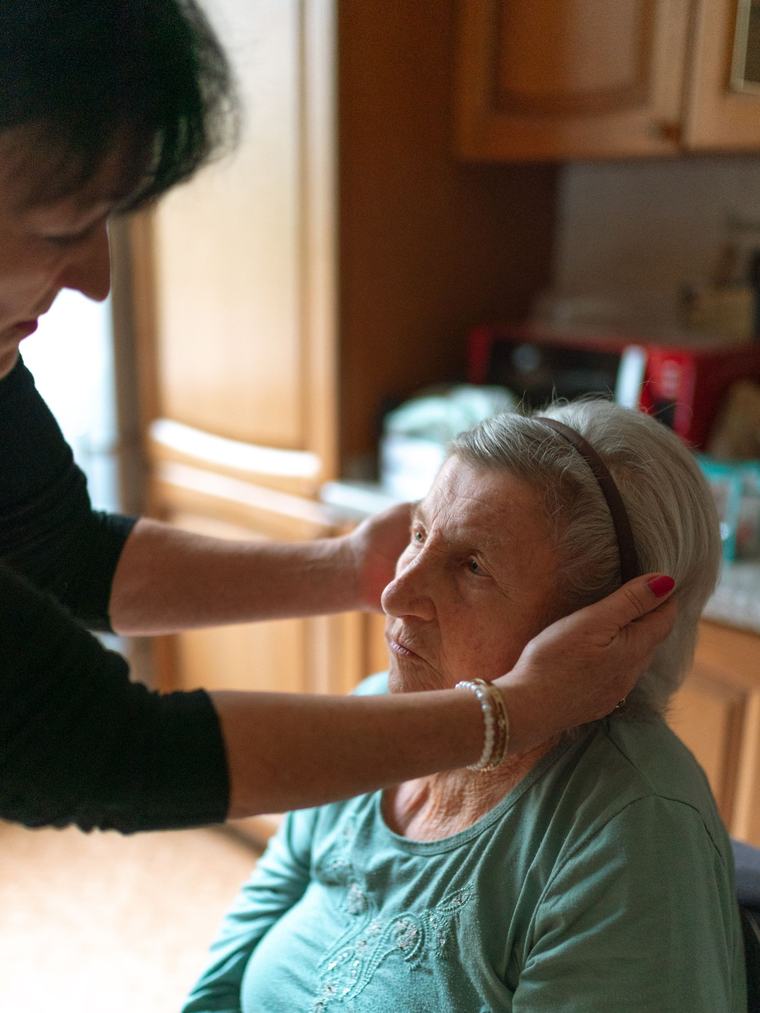
A caregiver offering a steadying hand

Service

Personal Care

Respectful, hands-on assistance with the personal routines that keep someone comfortable, clean and confident.

Personal care covers the daily tasks that become harder with age, illness, injury or disability. Our caregivers are trained to give this help in a way that protects privacy and modesty, moves at the person's pace, and lets them do as much for themselves as they can.

Who may benefit

  • Older adults who need a steady hand with bathing, dressing or moving safely
  • Adults recovering from surgery, a hospital stay or an injury
  • People living with a chronic condition or disability affecting daily routines
  • Anyone whose family caregiver can no longer provide this help alone

What support may include

  • Bathing, showering and personal hygiene assistance
  • Grooming, oral care, shaving and dressing
  • Toileting and incontinence support
  • Transferring, repositioning and walking assistance
  • Support with eating and drinking
  • Skin care and comfort measures within our authorized scope
How support is individualized Tasks, hours and routines are set during the assessment and written into the plan of care, then reviewed and adjusted as needs change.
Service boundaries Our caregivers provide non-medical support only. We do not diagnose, treat, provide skilled nursing or therapy services, or administer medication.

Two people sharing a conversation over tea

Service

Companionship

A friendly, dependable presence that eases isolation and gives the day some shape.

Loneliness affects health as surely as any physical condition. Companionship visits bring conversation, shared activity and a person who genuinely notices how someone is doing, which often means changes get caught early.

Who may benefit

  • People living alone or spending long stretches of the day without company
  • Individuals whose family lives far away or works long hours
  • Someone whose mood, appetite or engagement has been slipping
  • Anyone who would simply enjoy regular, reliable company

What support may include

  • Conversation and social interaction
  • Games, hobbies, reading and shared activities
  • Encouragement with daily routines and structure
  • Company on walks and outings where appropriate
  • Help staying in touch with family by phone or video
  • A watchful eye on wellbeing, reported back to the family
How support is individualized Tasks, hours and routines are set during the assessment and written into the plan of care, then reviewed and adjusted as needs change.
Service boundaries Our caregivers provide non-medical support only. We do not diagnose, treat, provide skilled nursing or therapy services, or administer medication.

A caregiver helping prepare a meal in a home kitchen

Service

Activities of Daily Living Support

Practical, day-to-day support with the routines that keep life running steadily.

Activities of daily living are the ordinary tasks that hold a day together: getting up, eating well, remembering appointments, keeping to a routine. Support here is often about cueing and encouragement as much as hands-on help.

Who may benefit

  • People who manage well overall but lose track of routines or steps
  • Individuals living with memory changes who benefit from consistent cueing
  • Someone whose nutrition, hydration or sleep pattern has become irregular
  • Families wanting reassurance that daily basics are being covered

What support may include

  • Meal planning, preparation and encouragement to eat and drink
  • Medication reminders (self-administered by the client)
  • Support keeping to a daily routine and schedule
  • Reminders about appointments and activities
  • Assistance with mobility around the home
  • Encouragement with exercise or activity as directed by the care plan
How support is individualized Tasks, hours and routines are set during the assessment and written into the plan of care, then reviewed and adjusted as needs change.
Service boundaries Our caregivers provide non-medical support only. We do not diagnose, treat, provide skilled nursing or therapy services, or administer medication.

A family caregiver taking a moment to rest

Service

Respite Support

Short-term relief so family caregivers can rest, work or handle life without worrying.

Family caregivers give enormous amounts and often burn out quietly. Respite support puts a trained, familiar caregiver in place for a few hours, a full day or a planned stretch of time, so the family member can step away and come back steadier.

Who may benefit

  • Family caregivers who have not had a proper break in months
  • Households where the primary caregiver works, travels or has appointments
  • Families planning a vacation, event or medical procedure of their own
  • Anyone who needs coverage on short notice during a difficult stretch

What support may include

  • Planned respite on a regular weekly or monthly schedule
  • Occasional or short-notice coverage where staffing allows
  • Continuation of the person's usual routine and preferences
  • Personal care and companionship during the respite period
  • A written or verbal handover when the family caregiver returns
  • Extended coverage arranged in advance where authorized
How support is individualized Tasks, hours and routines are set during the assessment and written into the plan of care, then reviewed and adjusted as needs change.
Service boundaries Our caregivers provide non-medical support only. We do not diagnose, treat, provide skilled nursing or therapy services, or administer medication.

A caregiver accompanying a client on an outing

Service

Community Integration & Support

Support taking part in life outside the home, safely and on the person's own terms.

Staying connected to the community matters for confidence and wellbeing. This service supports participation in activities, appointments and everyday errands, with the level of assistance matched to what the person actually needs.

Who may benefit

  • People who have withdrawn from activities they used to enjoy
  • Individuals who need support or accompaniment to get out safely
  • Adults working toward greater independence in the community
  • Anyone whose program or care plan includes community support goals

What support may include

  • Accompaniment to appointments, activities and community programs
  • Support with social, recreational and faith-based activities
  • Help with shopping and everyday errands
  • Encouragement building or rebuilding community routines
  • Support practising skills that increase independence
  • Coordination with the wider care team where appropriate
How support is individualized Tasks, hours and routines are set during the assessment and written into the plan of care, then reviewed and adjusted as needs change.
Service boundaries Our caregivers provide non-medical support only. We do not diagnose, treat, provide skilled nursing or therapy services, or administer medication.

A tidy, well-organised home interior

Service

Homemaker & Household Support

Light household help that keeps the home clean, safe and easy to live in.

A home that is cluttered, unclean or hard to move around in is a home where falls and illness are more likely. Homemaker support keeps the living environment manageable without taking away the person's sense of ownership over their own space.

Who may benefit

  • People who can no longer keep up with household tasks safely
  • Individuals whose mobility makes cleaning or laundry difficult
  • Households where clutter or upkeep has become a safety concern
  • Families who want the home kept steady between their own visits

What support may include

  • Light housekeeping in the areas the person uses
  • Laundry, linen changes and ironing
  • Washing up, kitchen tidying and refrigerator checks
  • Meal preparation and safe food storage
  • Making beds and general household organization
  • Adding items to a shopping list as supplies run low
How support is individualized Tasks, hours and routines are set during the assessment and written into the plan of care, then reviewed and adjusted as needs change.
Service boundaries Our caregivers provide non-medical support only. We do not diagnose, treat, provide skilled nursing or therapy services, or administer medication.

A car door being held open for a passenger

Service

Transportation & Errand Assistance

Help getting to appointments and handling errands, offered only where it is applicable and authorized.

Getting to a medical appointment or picking up groceries can be the single hardest part of the week. Where this support is applicable and authorized for a given individual and program, a caregiver can assist with transportation or complete errands on the person's behalf.

Who may benefit

  • People who no longer drive and have limited transportation options
  • Individuals who need accompaniment as well as a ride
  • Households where errands are being missed or delayed
  • Anyone whose authorized plan of care includes this support

What support may include

  • Accompaniment to and from medical or personal appointments
  • Assistance with grocery shopping and pharmacy pickups
  • Errands completed on the person's behalf
  • Support getting in and out of the vehicle safely
  • Waiting during appointments where appropriate
  • Reporting back to the family after the outing
How support is individualized Tasks, hours and routines are set during the assessment and written into the plan of care, then reviewed and adjusted as needs change.
Service boundaries Our caregivers provide non-medical support only. We do not diagnose, treat, provide skilled nursing or therapy services, or administer medication.
Important This service is offered only where it applies to the individual's situation and has been authorized. Availability, mileage arrangements and insurance requirements are confirmed before any transportation is provided. Please ask us what applies in your case.

Next Step

Not sure where to start?

Most families begin with a short phone call. Tell us what is happening and we will explain the options in plain language.

Request care

Call or send the short form with the basics. No medical details needed.

Initial contact

We call back, ask a few questions and answer yours.

Assessment & planning

We review needs and routines, then outline the support requested.

Service start

We introduce the caregiver and begin services.

Tell us what you need

Share a few details and we will call you back to talk through which services may be a fit.

Call Now Request Care